Guide
How to Start a Perfume Business: Formula, Bottles, MOQ & Manufacturing
A practical buyer journey for starting a perfume or fragrance business — white label vs private label vs OEM, fragrance selection, bottles, packaging, MOQ, sampling, documentation and export.
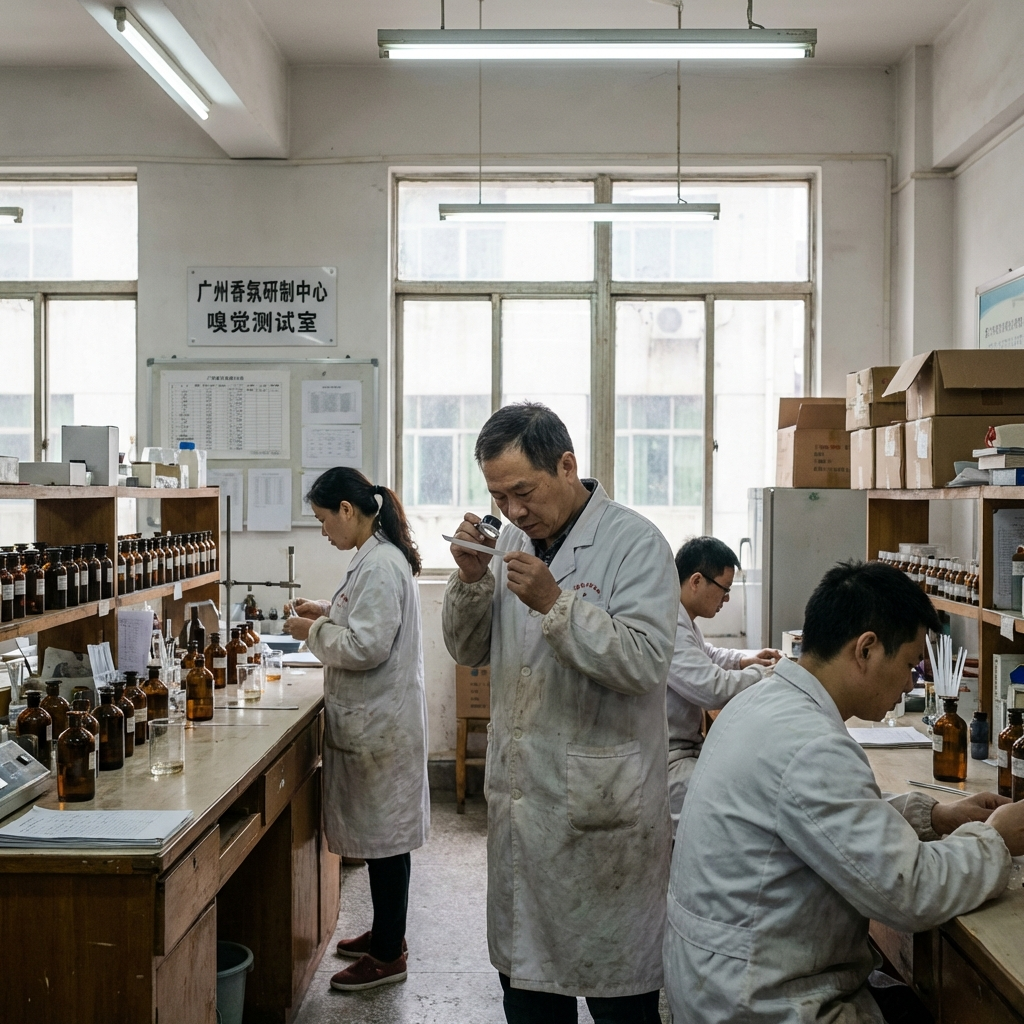
Starting a perfume business is less about guessing a “perfect formula” and more about choosing a commercial path you can execute. Whether you want to start a fragrance business, start a perfume line, or create your own perfume brand, the same buyer decisions keep appearing: business model, fragrance route, bottle and packaging, MOQ, sampling, documentation and export.
This guide follows that journey using AromaBridge’s commercial structure — without publishing confidential supplier costs or margins.
1. Decide your business model
Before you talk about notes or bottle molds, decide what you are selling and how you will get to market.
Ask:
- Are you launching one hero fragrance or a small collection?
- Is the first goal market testing, retail placement, e-commerce, or distribution?
- Do you need finished perfume, fragrance concentrate only, or components for local filling?
- What is your realistic first production quantity per fragrance?
Your answers determine whether a fast white label path, a private label build, or a fuller OEM/ODM project is the better start.
2. Choose White Label vs Private Label vs OEM
These terms are often used loosely in the industry. In AromaBridge’s service structure:
White Label
- Existing fragrance framework
- Selected stock bottles
- Standard or existing packaging options
- Fastest launch route with branding applied
Use white label when speed and simplicity matter more than deep customization.
Private Label
- More brand customization
- Selected fragrance, bottle and packaging presentation
- Stronger proprietary brand build while staying more controlled than full custom development
Explore Private Label Perfume →
OEM / ODM
- Fuller custom development
- Broader fragrance, decoration and packaging scope
- Typically from 1,000+ bottles per fragrance for fully custom projects
Explore OEM / ODM Manufacturing →
Low MOQ is not the same concept as white label. Low MOQ describes order quantity. White label describes customization level. Selected starter configurations may begin from 300 bottles per fragrance — confirmed per project.
3. Develop or select the fragrance
You generally have three commercial fragrance routes:
- Select an established fragrance for faster evaluation and launch.
- Develop a custom fragrance from a brand brief.
- Use scent matching / fragrance duplication when you already have a reference direction.
Do not skip sampling. Fragrance direction should be approved before packaging and bulk commitments harden.
- Custom Fragrance Development →
- Fragrance Duplication & Scent Matching →
- Wholesale Perfume Oils & Concentrates →
4. Choose bottle and packaging
Bottle and packaging decisions should match market position and launch speed.
Typical early decisions:
- Fill volume
- Stock bottle vs customized decoration
- Cap / pump feel
- Retail box structure
- Whether you also need perfume sample packaging or a discovery set for launch support
For many first launches, stock bottles and standard packaging structures reduce delay. Custom molds and advanced structures usually require higher volume and longer development.
5. Understand MOQ without inventing numbers
MOQ depends on the production path:
- Selected private label / white label starter configurations may start from 300 bottles per fragrance
- Fully custom OEM/ODM typically starts from 1,000+ bottles per fragrance
- Bottle components, boxes and decoration can carry separate structure-based minimums
Do not assume one company-wide MOQ applies to every custom mold, every decoration method or every packaging structure. Confirm quantity after the product configuration is clear.
6. Sample before bulk production
Sampling protects both scent and presentation decisions.
A practical sequence:
- Evaluate fragrance direction with samples
- Confirm bottle / decoration / packaging direction
- Approve a pre-production finished sample when specifications are locked
- Move into bulk production
Order fragrance samples / discuss sampling →
7. Prepare documentation
Destination market determines documentation needs. Common project documents that may be prepared as applicable include:
- IFRA
- SDS
- COA
- Export documentation relevant to the product and destination
Documentation availability depends on fragrance, formulation and project requirements. Do not treat any single document as universally guaranteed for every SKU.
8. Plan production and export
After fragrance, packaging and sampling are aligned:
- Confirm quantity per fragrance
- Confirm preferred production route (China complete production, concentrate/components only, or eligible regional filling)
- Confirm destination market and shipping expectations
- Align lead time with launch date
Useful next pages:
Practical first-step checklist
If you want to start a perfume line this quarter, prepare:
- Target customer and market
- Preferred business model (white label / private label / OEM)
- Fragrance direction or references
- Desired bottle size and packaging level
- Quantity per fragrance
- Destination country
- Launch timing
Then request samples or project pricing with that brief.