Guide
Can You Ship Perfume Internationally? Export Requirements for Fragrance Brands
A clear commercial overview of international perfume shipping — alcohol-based fragrance transport considerations, SDS and classification, documentation, and how finished perfume vs concentrates may differ.
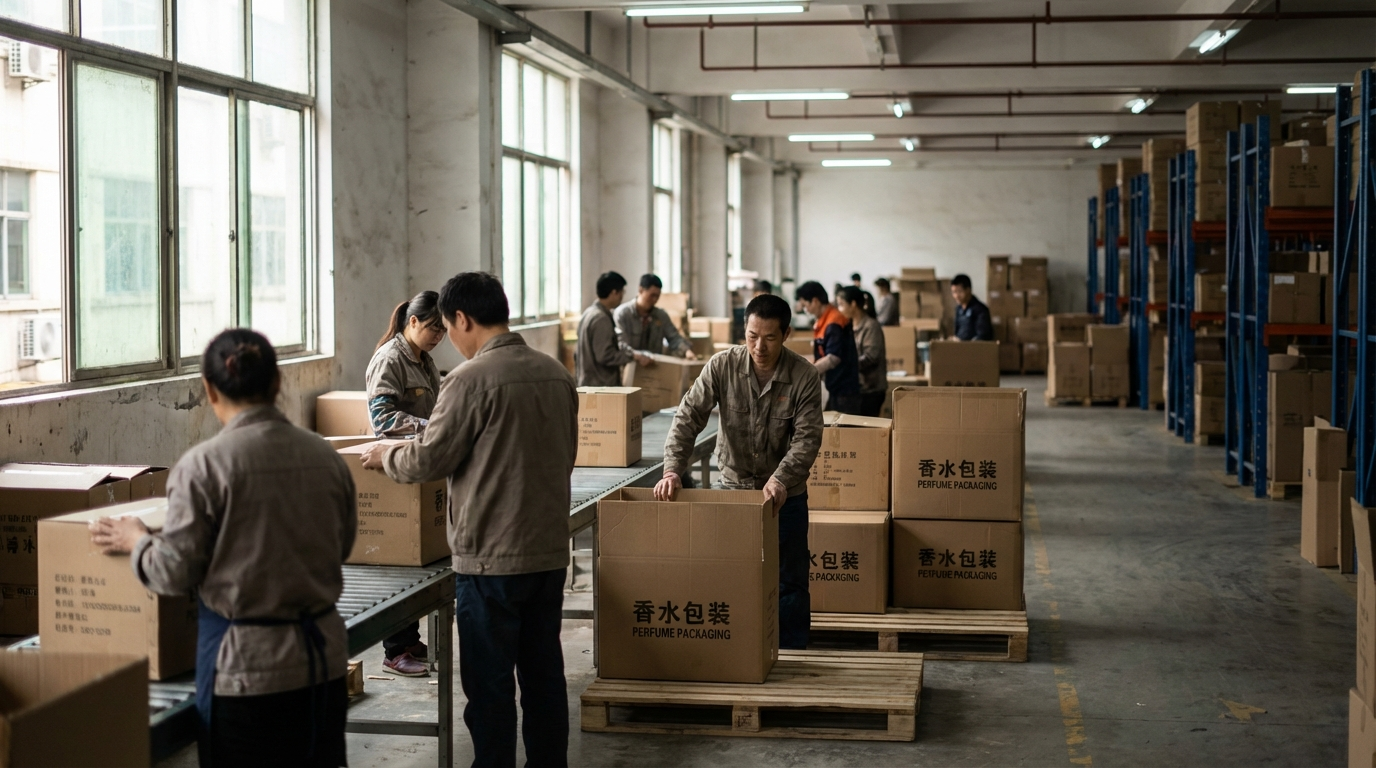
Yes — perfume can often be shipped internationally, but fragrance international shipping is not the same as shipping ordinary consumer goods. Alcohol-based perfume may be regulated for transport, and the correct method depends on product type, quantity, destination and documentation.
This guide explains public commercial concepts brands should understand before planning perfume export. It does not disclose confidential routing, forwarder arrangements, negotiated rates or internal logistics methods.
1. Can you ship perfume internationally?
In many cases, yes. Brands regularly move finished perfume, fragrance concentrates and components across borders for retail, distribution and contract production.
The practical question is not only “can it ship?” but:
- What exactly is shipping — finished perfume, concentrate, empty bottles, or packaging?
- How much quantity is moving?
- Which destination and which transport mode are planned?
- Which documents and classifications apply?
International perfume shipping becomes smoother when those answers are clear early.
2. Alcohol-based perfume may be regulated for transport
Finished perfume often contains alcohol. Depending on composition, quantity and transport mode, alcohol-based fragrance products may fall under transport rules that require proper classification and handling.
That does not automatically mean a project is impossible. It means shipping method and documentation must match the product.
Do not assume courier, air, sea or road options are interchangeable for every SKU and every destination.
3. Classification and SDS matter
For fragrance export projects, classification and safety documentation are often more important than marketing copy.
Commonly relevant inputs include:
- Product composition awareness for the shipping scenario
- SDS (Safety Data Sheet) where applicable
- Correct product description for customs and transport paperwork
- Consistency between commercial documents and the physical goods
If documentation and product description are incomplete, international perfume shipping delays become more likely.
4. Shipping method depends on quantity, destination and product
There is no single “best” shipping mode for every fragrance brand.
Method selection usually depends on:
- Quantity and shipment size
- Destination market
- Whether the goods are finished perfume, fragrance concentrate or components
- Required delivery timing
- Applicable transport rules for the product
A small sample evaluation shipment and a commercial bulk export can require different planning even when the brand and fragrance are the same.
5. Packaging and documentation requirements vary
Export readiness is not only about the perfume formula.
Brands should plan for:
- Protective outer packing suitable for the transport mode
- Clear labeling and commercial paperwork
- Destination-specific import expectations
- Project documentation prepared as applicable (for example SDS / COA / IFRA where relevant)
Requirements vary by destination and product. Treat documentation as part of the production plan, not an afterthought.
6. Concentrates, components and finished perfume can differ logistically
Fragrance concentrates, empty bottles/packaging and finished filled perfume are not always handled the same way.
Examples of commercial differences:
- Fragrance concentrates may support local or contract filling strategies
- Components and packaging may move separately from fragrance
- Finished perfume may face different transport and import considerations because it is a filled, alcohol-containing consumer product
This is why some brands separate concentrate supply, packaging supply and finished-goods export into different project stages.
Useful related pages:
- Wholesale Perfume Oils & Fragrance Concentrates →
- China Perfume Manufacturing →
- Global Production Routes →
- European Filling →
- UAE / GCC Filling →
7. What to prepare before asking about perfume export
To discuss an export project productively, share:
- Product type (finished perfume / concentrate / components)
- Quantity
- Destination country or region
- Preferred timing
- Whether documentation support is required
- Whether you need China complete production or a regional filling route
What this guide does not cover
For commercial and compliance reasons, this page does not publish:
- Specific forwarder names
- Negotiated freight rates
- Internal routing methods
- Warehouse locations
- Dangerous-goods workarounds
- Confidential production details
Those topics are handled privately during project qualification when relevant.
Next step
If you are planning fragrance international shipping for a brand launch or replenishment order, start with the production route and product type — then align documentation and destination requirements.